
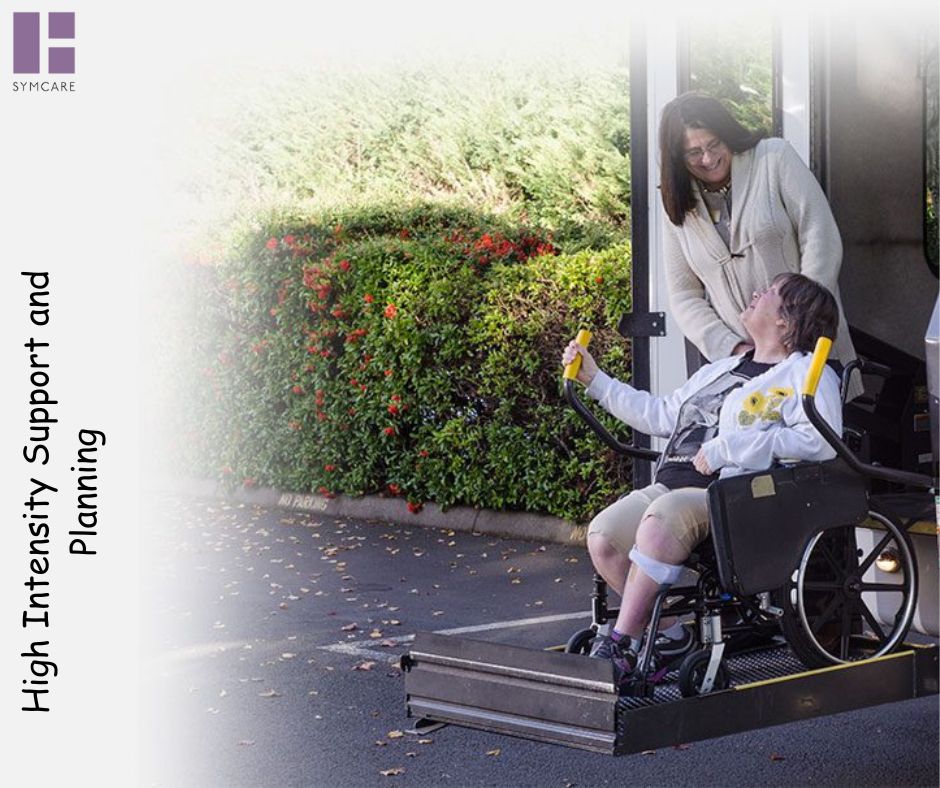
Living with severe disabilities presents unique challenges that require specialized care and comprehensive support systems. For individuals with complex needs, High Intensity Support NDIS offers a lifeline to improved quality of life, independence, and dignity. Understanding how these services work can make a significant difference for families navigating the disability support landscape.
Understanding High Intensity Support NDIS
High Intensity Support NDIS is designed for participants who require substantial assistance with daily living activities due to severe physical, cognitive, or psychological disabilities. Unlike standard NDIS support packages, high intensity services provide around-the-clock care, specialized medical support, and intensive therapeutic interventions tailored to complex needs.
This level of support becomes essential when individuals face significant barriers to independence, requiring constant supervision, specialized equipment, or highly trained support workers to manage their daily routines safely and effectively.
Key Ways High Intensity Support Makes a Difference
24/7 Personal Care and Supervision
People with severe disabilities often need continuous support with essential activities like eating, bathing, mobility, and medication management. High Intensity Support NDIS provides access to skilled support workers who deliver personalized care throughout the day and night, ensuring safety and comfort at all times.
Access to Specialized Accommodation
Finding suitable living arrangements is crucial for people with complex needs. Through NDIS Specialist Disability Accommodation, participants can access purpose-built housing designed with accessibility features, assistive technology, and modifications that support their specific requirements. This specialized housing ensures that individuals live in environments that promote independence while providing necessary safety measures.
In areas like Melbourne, where diverse disability services are available, participants can choose from various Disabled Accommodation Melbourne options that suit their preferences and support needs. These accommodations range from group homes to individual apartments with onsite support staff.
Therapeutic and Medical Support Integration
High intensity support includes access to multidisciplinary teams comprising physiotherapists, occupational therapists, speech pathologists, and behavioral specialists. This coordinated approach ensures that all aspects of a participant's health and wellbeing are addressed comprehensively, leading to better outcomes and enhanced quality of life.
Community Participation and Social Inclusion
Despite severe disabilities, high intensity support empowers individuals to engage with their communities meaningfully. Support workers facilitate participation in social activities, recreational programs, and community events, reducing isolation and promoting social connections that are vital for mental health and wellbeing.
Accessing High Intensity Support in Melbourne
For those seeking Melbourne NDIS services, the process begins with a comprehensive assessment of your support needs. NDIS planners evaluate the complexity of your disability, daily living challenges, and goals to determine appropriate funding levels.
Melbourne NDIS providers offer extensive networks of high intensity support services, including specialized accommodation options, skilled support workers, and therapeutic services. The city's robust disability sector ensures that participants have access to quality providers who understand complex needs and deliver person-centered care.
The Impact on Families and Carers
High Intensity Support NDIS doesn't just benefit participants—it provides crucial respite for family members and carers who often bear enormous responsibility. Professional support services allow families to maintain their own wellbeing while ensuring their loved ones receive expert care.
Families gain peace of mind knowing that trained professionals are managing complex medical needs, behavioral challenges, and daily care routines. This support structure enables family members to transition from full-time carers to supportive relatives, strengthening family relationships.
Building Pathways to Independence
The ultimate goal of High Intensity Support NDIS is to maximize each participant's potential for independence, regardless of disability severity. Through skill development programs, assistive technology, and consistent support, many individuals achieve goals they never thought possible—from improved communication abilities to increased mobility and greater self-determination.
Conclusion
High Intensity Support NDIS transforms lives by providing comprehensive, person-centered care that addresses the complex needs of people with severe disabilities. Whether through specialized accommodation, continuous personal care, or therapeutic interventions, these services create opportunities for dignity, independence, and meaningful participation in community life. For individuals and families navigating severe disabilities, high intensity support offers not just assistance, but hope for a better quality of life.